Principal Investigators

PI 团队:王宇涛、赵欢

王宇涛:教授、博士生导师;赵欢:副教授(预聘教授)/ 硕士生导师

个人简介

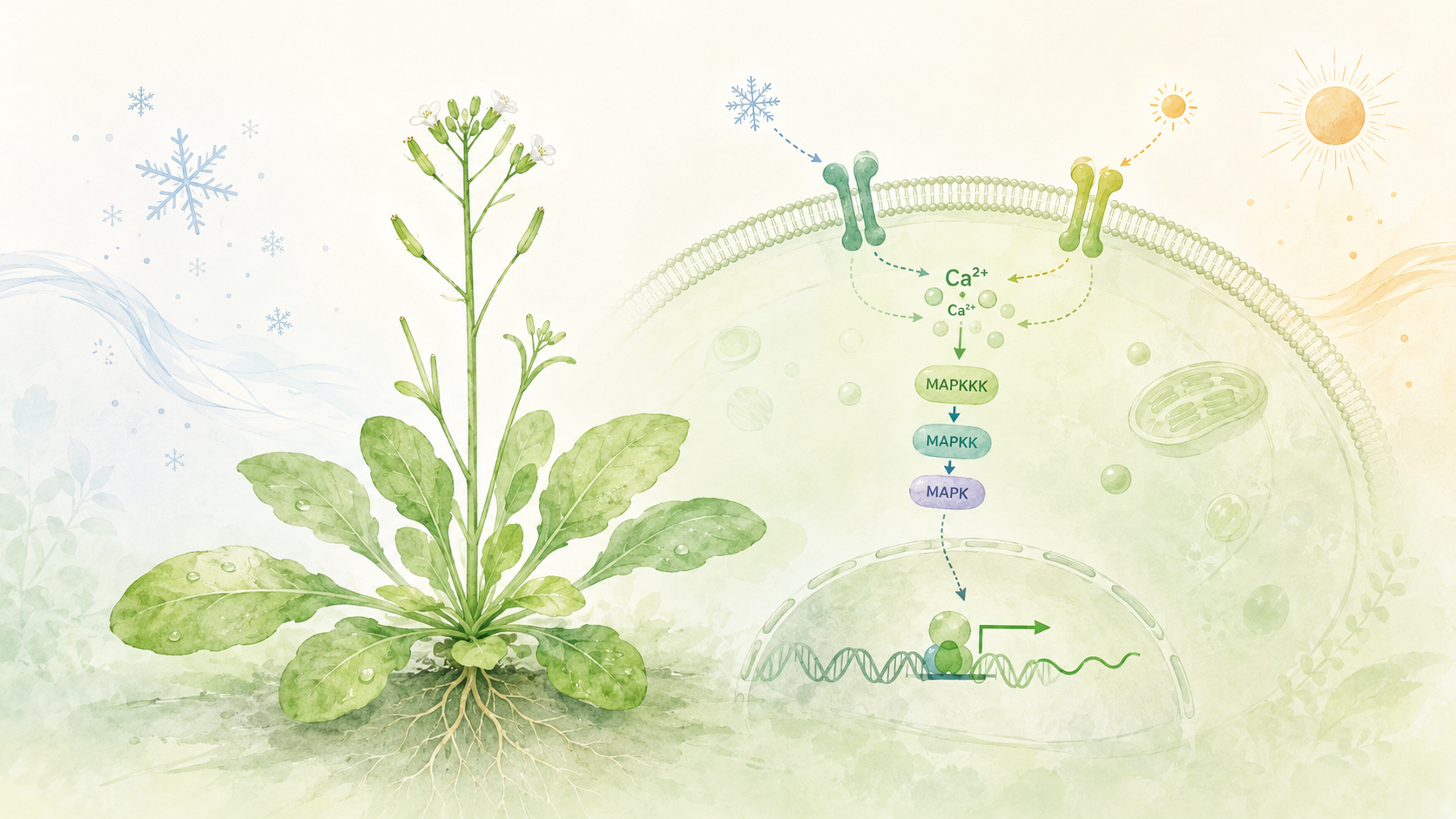
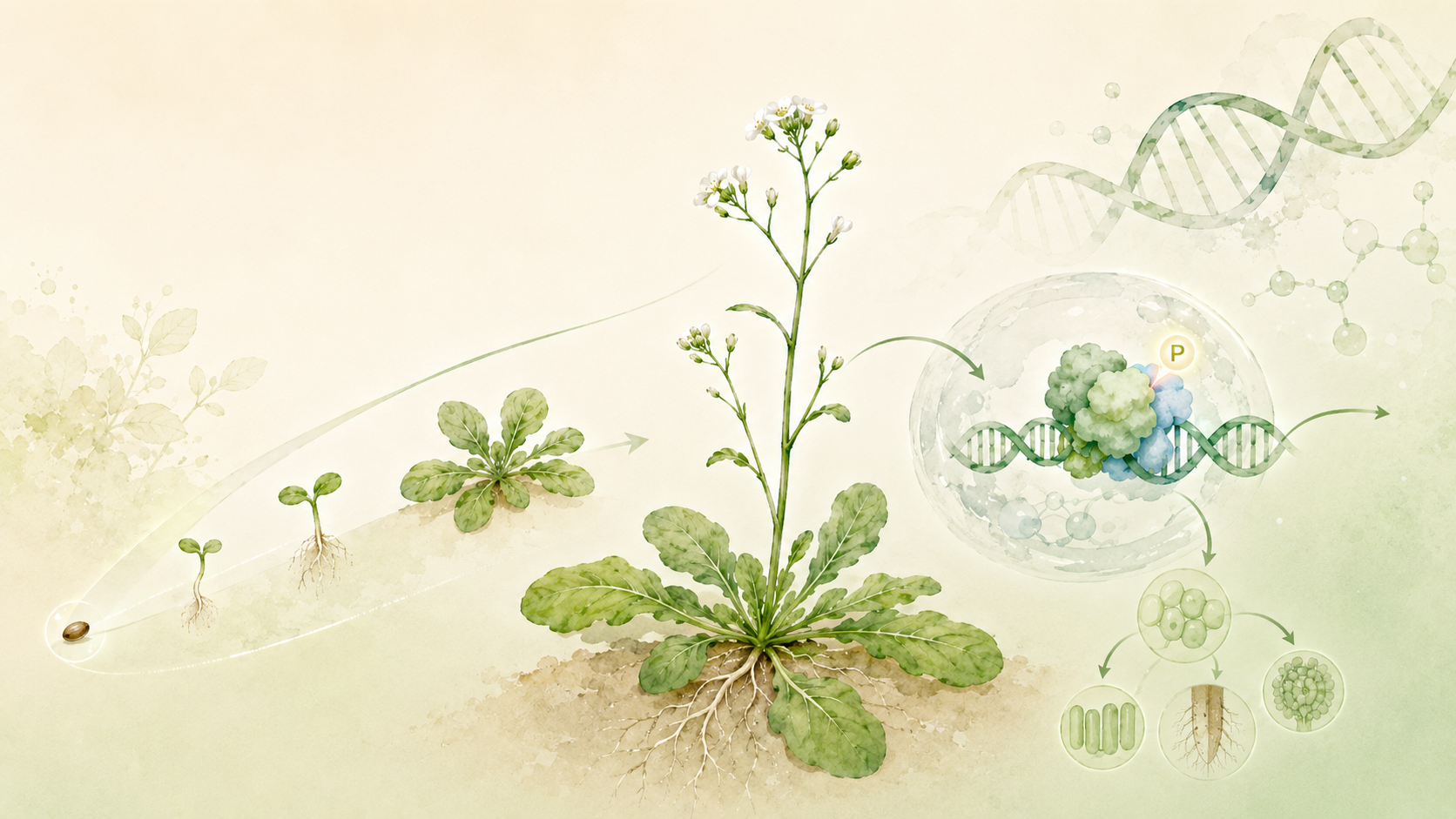
王宇涛,博士,东北林业大学生命科学学院教授、博士生导师,东北林业大学成栋优秀人才。长期围绕植物生长发育与逆境响应中的分子调控网络开展研究,关注植物如何感知并响应高盐、极端温度等非生物胁迫,并结合拟南芥、杨树、红松等材料,整合分子生物学、细胞生物学、遗传学及多组学技术,解析植物发育与抗逆过程中的关键调控机制。

查看成员档案

教育经历

  • 2013.09-2017.06,本科,东北林业大学,生命科学学院,生物科学
  • 2017.09-2022.06,博士,中国农业大学,生物学院,细胞生物学

工作经历

  • 2022.07-2026.03,博士后,北京大学,生命科学学院
  • 2026.04 至今,东北林业大学,生命科学学院,发育生物学学科,教授

科研项目

  • 国家自然科学基金委“青年科学基金项目(C 类)”,2024-2026,主持
  • 中国博士后科学基金委“第七十三批面上项目”,2023-2024,主持

研究方向
Representative Publications

代表作

# 代表共同第一作者

2025 代表作 New Phytol.

Multifaceted roles of TCP transcription factors in fate determination

Wang, Y.#, Cao, Y.#, and Qin, G.

展开摘要

Fate determination is indispensable for the accurate shaping and specialization of plant organs, a process critical to the structural and functional diversity in plant kingdom. The TEOSINTE BRANCHED 1/CYCLOIDEA/PROLIFERATING CELL FACTOR (TCP) family of transcription factors has been recognized for its significant contributions to plant organogenesis and morphogenesis. Recent research has shed light on the pivotal roles that TCPs play in fate determination. In this review, we delve into the current understanding of TCP functions, emphasizing their critical influence on fate determination from the organelle to the cell and organ levels. We also consolidate the molecular mechanisms through which TCPs exert their regulatory effects on fate determination. Additionally, we highlight intriguing points of TCPs that warrant further exploration in future research endeavors.

DOI: 10.1111/nph.20188
2024 代表作 Plant Cell

Arabidopsis transcription factor TCP4 controls the identity of the apical gynoecium

Wang, Y.#, Wang, N.#, Lan, J., Pan, Y., Jiang, Y., Wu, Y., Chen, X., Feng, X., and Qin, G.

展开摘要

The style and stigma at the apical gynoecium are crucial for flowering plant reproduction. However, the mechanisms underlying specification of the apical gynoecium remain unclear. Here, we demonstrate that Class II TEOSINTE BRANCHED 1/CYCLOIDEA/PCF (TCP) transcription factors are critical for apical gynoecium specification in Arabidopsis (Arabidopsis thaliana). The septuple tcp2 tcp3 tcp4 tcp5 tcp10 tcp13 tcp17 (tcpSEP) and duodecuple tcp2 tcp3 tcp4 tcp5 tcp10 tcp13 tcp17 tcp24 tcp1 tcp12 tcp18 tcp16 (tcpDUO) mutants produce narrower and longer styles, while disruption of TCPs and CRABS CLAW (CRC) or NGATHAs (NGAs) in tcpDUO crc or tcpDUO nga1 nga2 nga4 causes the apical gynoecium to be replaced by lamellar structures with indeterminate growth. TCPs are predominantly expressed in the apex of the gynoecium. TCP4 interacts with CRC to synergistically upregulate the expression level of NGAs, and NGAs further form high-order complexes to control the expression of auxin-related genes in the apical gynoecium by directly interacting with TCP4. Our findings demonstrate that TCP4 physically associates with CRC and NGAs to control auxin biosynthesis in forming fine structures of the apical gynoecium.

DOI: 10.1093/plcell/koae107
2022 代表作 New Phytol.

PUB30-mediated downregulation of the HB24-SWEET11 module is involved in root growth inhibition under salt stress by attenuating sucrose supply in Arabidopsis

Wang, Y.#, Zhao, H.#, Xu, L., Zhang, H., Xing, H., Fu, Y., and Zhu, L.

展开摘要

One of the strategies that plants adopt to cope with an unfavorable environment is to sacrifice their growth for tolerance. Although moderate salt stress can induce root growth inhibition, the molecular mechanisms regulating this process have yet to be elucidated. Here, we found that overexpression of a zinc finger-homeodomain family transcription factor, HOMEOBOX PROTEIN 24 (HB24), led to longer primary roots than in the wild-type in the presence of 125 mM NaCl, whereas this phenotype was reversed for the hb24 loss-of-function mutant, indicating a negative impact of HB24 on salt-induced root growth inhibition. We then found that salt stress triggered the degradation of HB24 via the ubiquitin–proteasome pathway, as mediated by a plant U-box type E3 ubiquitin ligase 30 (PUB30) that directly targets HB24. We verified that HB24 is able to directly bind to the promoters of Sugars Will Eventually be Exported Transporter 11/12 (SWEET11/12) to regulate their expression in roots. Through genetic and biochemical assays, we further demonstrated that the HB24-SWEET11 module plays a negative role in salt-induced root growth inhibition. Therefore, we propose that under salt stress, PUB30 mediates HB24′s degradation, thereby downregulating the expression of SWEET11, resulting in reduced sucrose supply and root growth inhibition.

DOI: 10.1111/nph.18635
2021 代表作 New Phytol.

HOMEOBOX PROTEIN 24 mediates the conversion of indole-3-butyric acid to indole-3-acetic acid to promote root hair elongation

Zhao, H.#, Wang, Y.#, Zhao, S., Fu, Y., and Zhu, L.

展开摘要

Indole-3-acetic acid (IAA) is a predominant form of active auxin in plants. In addition to de novo biosynthesis and release from its conjugate forms, IAA can be converted from its precursor indole-3-butyric acid (IBA). The IBA-derived IAA may help drive root hair elongation in Arabidopsis thaliana seedlings, but how the IBA-to-IAA conversion is regulated and affects IAA function requires further investigation. In this study, HOMEOBOX PROTEIN 24 (HB24), a transcription factor in the zinc finger-homeodomain family (ZF-HD family) of proteins, was identified. With loss of HB24 function, defective growth occurred in root hairs. INDOLE-3-BUTYRIC ACID RESPONSE 1 (IBR1), which encodes an enzyme involved in the IBA-to-IAA conversion, was identified as a direct target of HB24 for the control of root hair elongation. The exogenous IAA or auxin analogue 1-naphthalene acetic acid (NAA) both rescued the root hair growth phenotype of hb24 mutants, but IBA did not, suggesting a role for HB24 in the IBA-to-IAA conversion. Therefore, HB24 participates in root hair elongation by upregulating the expression of IBR1 and subsequently promoting the IBA-to-IAA conversion. Moreover, IAA also elevated the expression of HB24, suggesting a feedback loop is involved in IBA-to-IAA conversion-mediated root hair elongation.

DOI: 10.1111/nph.17719

加入我们

实验室致力于培养青年科研人才,积极推动植物生物学领域的发展与创新,常年招收博士后、博士生、硕士生。欢迎对植物生长发育、逆境响应、分子调控、遗传学和多组学分析感兴趣的同学联系。
个人简介

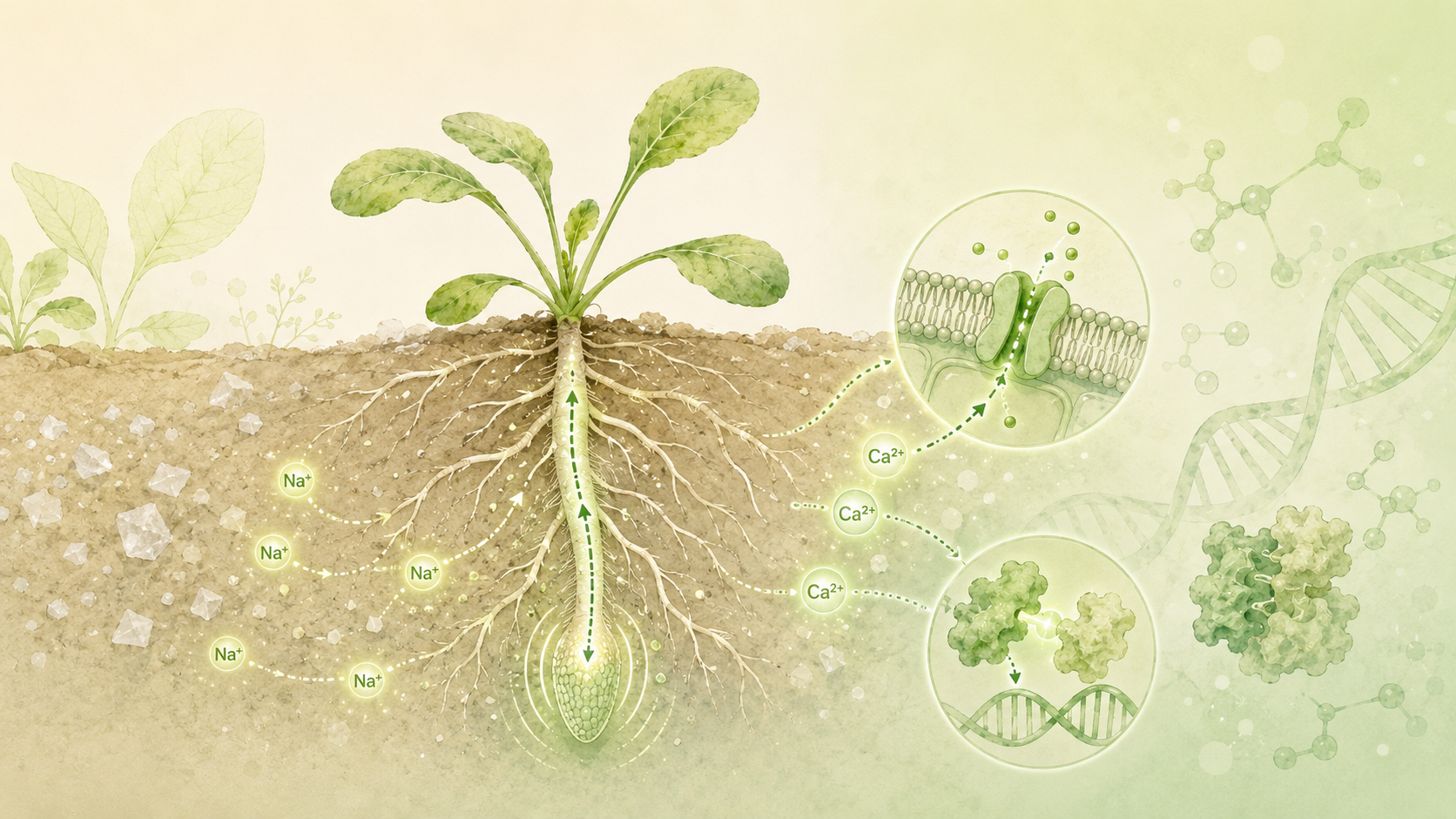
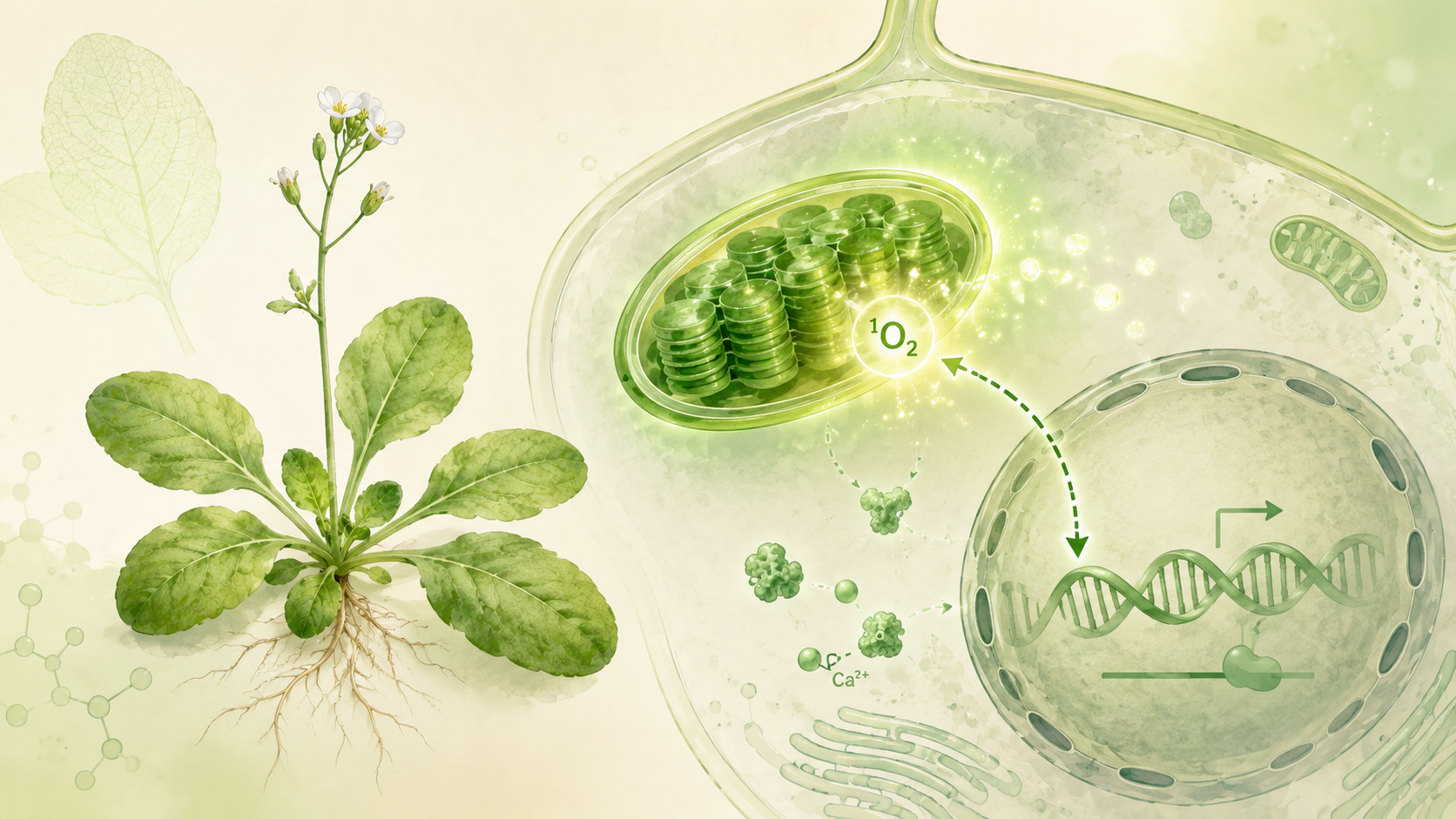
赵欢,博士,东北林业大学生命科学学院副教授(预聘教授)、硕士生导师,东北林业大学成栋优秀人才。实验室以模式植物拟南芥及重要林草植物为研究对象,围绕盐胁迫、单线态氧信号、叶绿体到细胞核逆行信号和植物耐盐性遗传改良开展研究。

查看成员档案

教育经历

  • 2012.09-2016.06,本科,沈阳农业大学,生物科学技术学院,生物工程
  • 2016.09-2022.01,博士,中国农业大学,生物学院,细胞生物学

工作经历

  • 2022.01-2022.04,博士后,中国农业科学院,作物科学研究所
  • 2022.08-2026.02,博士后,中国农业大学,生物学院
  • 2026.03 至今,东北林业大学,生命科学学院,发育生物学学科,预聘教授

科研项目

  • 国家自然科学基金委“青年科学基金项目(C 类)”,2026-2028,主持

研究方向

Representative Publications

代表作

# 代表共同第一作者

2025 代表作 Mol Plant

The chloroplast translocon subunit TOC33 relays singlet oxygen-induced chloroplast-to-nucleus retrograde signaling in Arabidopsis

Zhao, H.#, Zhang, F#., Wang, X., Liu, K., Zhang, L., Li, J., Kim, C. and Wang, L.

展开摘要

Chloroplasts performing oxygenic photosynthesis frequently overproduce reactive oxygen species (ROS) under stress conditions, with singlet oxygen (1O2) being particularly harmful due to its high reactivity and short lifespan. The nuclear-encoded chloroplast protein EXECUTER1 (EX1) identifies elevated 1O2 levels through Trp643 oxidation and undergoes proteolysis, a process essential for activating 1O2-induced EX1-mediated chloroplast-to-nucleus retrograde signaling (1O2-EX1 signaling). However, the association between EX1 proteolysis and subsequent nuclear transcriptome alterations remains unclear. In this study, we isolated SOF1 (suppressor of flu 1) through a forward genetic screen using ethyl methanesulfonate-mutagenized flu mutant seeds of Arabidopsis thaliana harboring FLAG-fused EX1 driven by its native promoter (referred to as fluEX1). Like flu, fluEX1 plants conditionally produce 1O2 in chloroplasts in response to a dark-to-light shift. In the fluEX1sof1, all 1O2-induced stress responses are largely suppressed, despite 1O2 levels being similar to those in the fluEX1. SOF1 encodes the chloroplast outer-envelope-anchored preprotein import receptor TOC33. While TOC33 loss does not impact EX1 import, abundance, localization, and 1O2-induced proteolysis in the chloroplast, it blocks 1O2-induced chloroplast-to-nucleus retrograde signaling. TOC33 interacts with the UVR domain of EX1 (EX1-UVR) in the chloroplast envelope, enabling 1O2-induced decrease of the chloroplast EX1-UVR and increased nuclear EX1-UVR. Moreover, ectopic expression of EX1-UVR outside of the chloroplast overcomes the restrictive barrier imposed by the chloroplast envelope, activating 1O2 signaling and inducing stress responses. Our findings indicate that SOF1/TOC33 mediates 1O2-EX1 signaling from the chloroplast to the nucleus and that the EX1-UVR domain can substitute for full-length EX1 in this signaling pathway.

DOI: 10.1016/j.molp.2025.08.013
2024 代表作 Plant Cell

EXECUTER1 and singlet oxygen signaling: A reassessment of nuclear activity

Liu, K.#, Zhao, H.#, Lee, K.#, Yu, Q., Di, M., Wang, L., and Kim, C.

展开摘要

Chloroplasts are recognized as environmental sensors, capable of translating environmental fluctuations into diverse signals to communicate with the nucleus. Among the reactive oxygen species produced in chloroplasts, singlet oxygen (1O2) has been extensively studied due to its dual roles, encompassing both damage and signaling activities, and the availability of conditional mutants overproducing 1O2 in chloroplasts. In particular, investigating the Arabidopsis (Arabidopsis thaliana) mutant known as fluorescent (flu) has led to the discovery of EXECUTER1 (EX1), a plastid 1O2 sensor residing in the grana margin of the thylakoid membrane. 1O2-triggered EX1 degradation is critical for the induction of 1O2-responsive nuclear genes (SOrNGs). However, a recent study showed that EX1 relocates from chloroplasts to the nucleus upon 1O2 release, where it interacts with WRKY18 and WRKY40 (WRKY18/40) transcription factors to regulate SOrNG expression. In this study, we challenge this assertion. Our confocal microscopy analysis and subcellular fractionation assays demonstrate that EX1 does not accumulate in the nucleus. While EX1 appears in nuclear fractions, subsequent thermolysin treatment assays indicate that it adheres to the outer nuclear region rather than localizing inside the nucleus. Furthermore, luciferase complementation imaging and yeast 2-hybrid assays reveal that EX1 does not interact with nuclear WRKY18/40. Consequently, our study refines the current model of 1O2 signaling by ruling out the nuclear relocation of intact EX1 as a means of communication between the chloroplast and nucleus.

DOI: 10.1093/plcell/koae296
2022 代表作 New Phytol.

PUB30-mediated downregulation of the HB24-SWEET11 module is involved in root growth inhibition under salt stress by attenuating sucrose supply in Arabidopsis

Wang, Y.#, Zhao, H.#, Xu, L., Zhang, H., Xing, H., Fu, Y., and Zhu, L.

展开摘要

One of the strategies that plants adopt to cope with an unfavorable environment is to sacrifice their growth for tolerance. Although moderate salt stress can induce root growth inhibition, the molecular mechanisms regulating this process have yet to be elucidated. Here, we found that overexpression of a zinc finger-homeodomain family transcription factor, HOMEOBOX PROTEIN 24 (HB24), led to longer primary roots than in the wild-type in the presence of 125 mM NaCl, whereas this phenotype was reversed for the hb24 loss-of-function mutant, indicating a negative impact of HB24 on salt-induced root growth inhibition. We then found that salt stress triggered the degradation of HB24 via the ubiquitin–proteasome pathway, as mediated by a plant U-box type E3 ubiquitin ligase 30 (PUB30) that directly targets HB24. We verified that HB24 is able to directly bind to the promoters of Sugars Will Eventually be Exported Transporter 11/12 (SWEET11/12) to regulate their expression in roots. Through genetic and biochemical assays, we further demonstrated that the HB24-SWEET11 module plays a negative role in salt-induced root growth inhibition. Therefore, we propose that under salt stress, PUB30 mediates HB24′s degradation, thereby downregulating the expression of SWEET11, resulting in reduced sucrose supply and root growth inhibition.

DOI: 10.1111/nph.18635
2021 代表作 New Phytol.

HOMEOBOX PROTEIN 24 mediates the conversion of indole-3-butyric acid to indole-3-acetic acid to promote root hair elongation

Zhao, H.#, Wang, Y.#, Zhao, S., Fu, Y., and Zhu, L.

展开摘要

Indole-3-acetic acid (IAA) is a predominant form of active auxin in plants. In addition to de novo biosynthesis and release from its conjugate forms, IAA can be converted from its precursor indole-3-butyric acid (IBA). The IBA-derived IAA may help drive root hair elongation in Arabidopsis thaliana seedlings, but how the IBA-to-IAA conversion is regulated and affects IAA function requires further investigation. In this study, HOMEOBOX PROTEIN 24 (HB24), a transcription factor in the zinc finger-homeodomain family (ZF-HD family) of proteins, was identified. With loss of HB24 function, defective growth occurred in root hairs. INDOLE-3-BUTYRIC ACID RESPONSE 1 (IBR1), which encodes an enzyme involved in the IBA-to-IAA conversion, was identified as a direct target of HB24 for the control of root hair elongation. The exogenous IAA or auxin analogue 1-naphthalene acetic acid (NAA) both rescued the root hair growth phenotype of hb24 mutants, but IBA did not, suggesting a role for HB24 in the IBA-to-IAA conversion. Therefore, HB24 participates in root hair elongation by upregulating the expression of IBR1 and subsequently promoting the IBA-to-IAA conversion. Moreover, IAA also elevated the expression of HB24, suggesting a feedback loop is involved in IBA-to-IAA conversion-mediated root hair elongation.

DOI: 10.1111/nph.17719

加入我们

实验室致力于培养青年科研人才,积极推动植物生物学领域的发展与创新,常年招收博士后、硕士生。