植物盐胁迫感知与信号转导
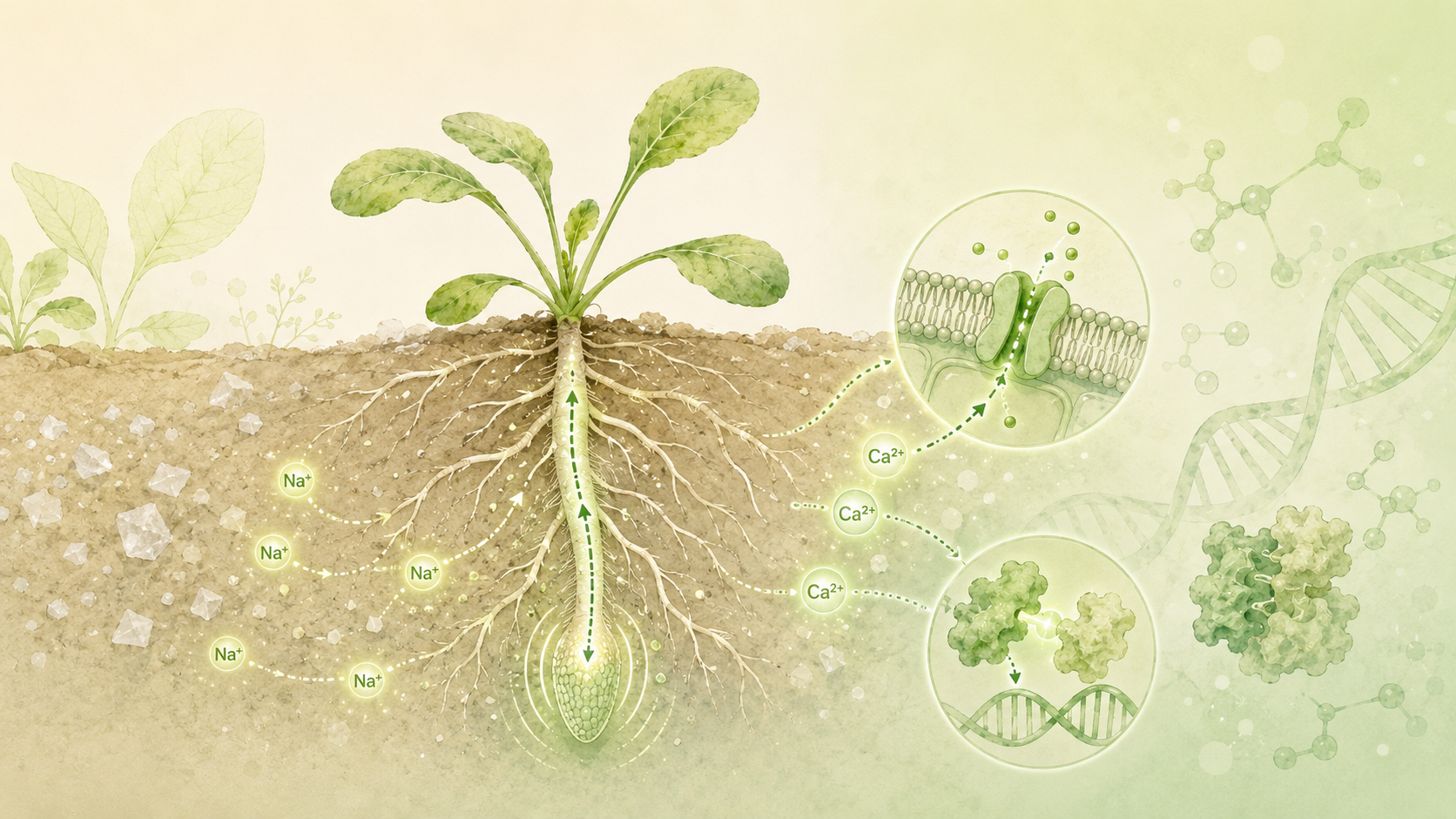
研究植物如何感知并响应盐胁迫
Zhao, H.#, Wang, X#. and Wang, L.
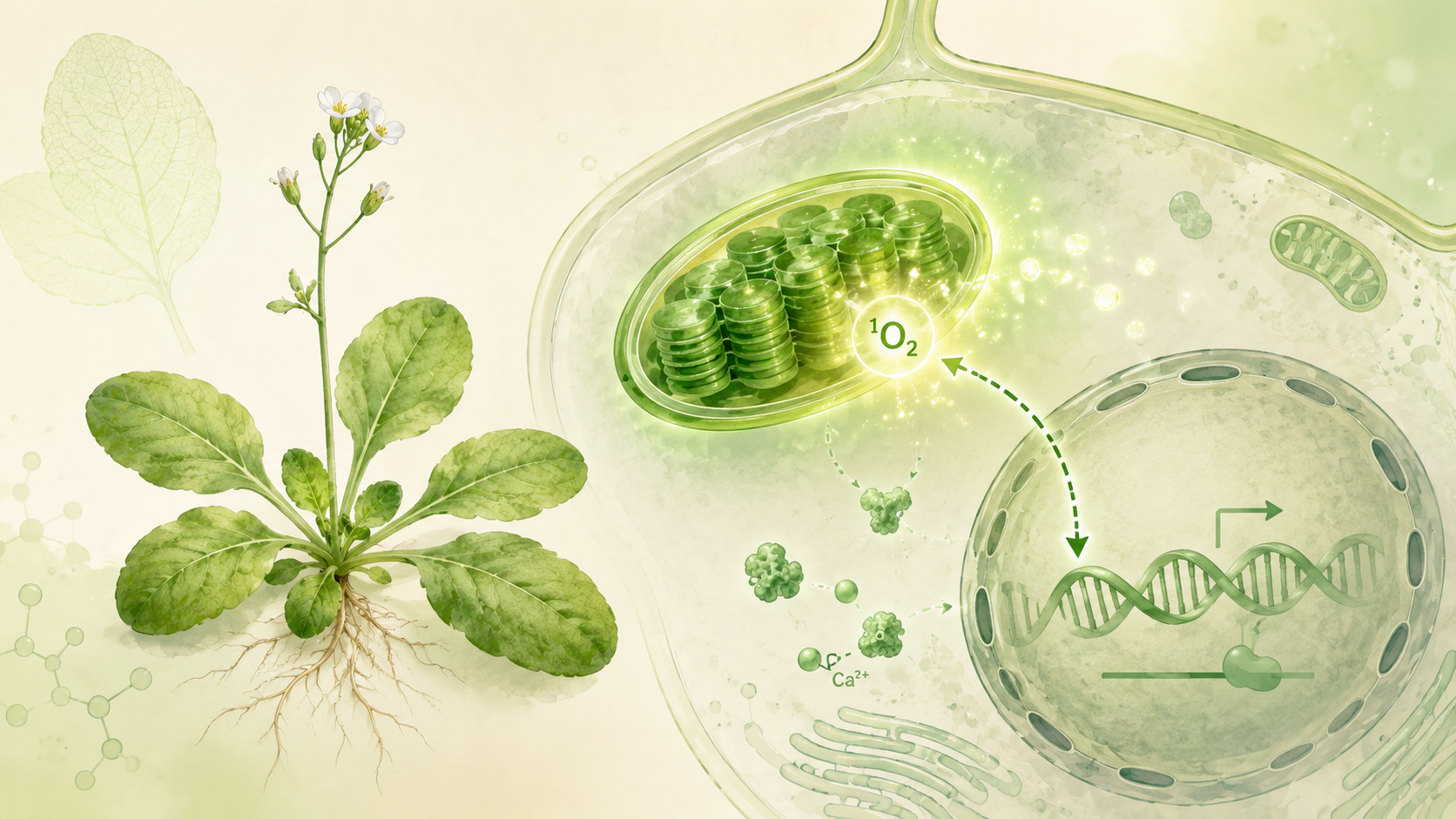
Singlet oxygen (1O2), the excitation stage of the ground-state molecular oxygen, is a fundamental reactive oxygen species (ROS) with important functions in plant growth, development, and stress responses. In plant cells, 1O2 is mainly generated in the chloroplast due to photosensitizing activity of tetrapyrroles. Moreover, 1O2 can be generated in non-photosynthetic tissues when plants suffer environmental stresses. Although 1O2 was initially considered as a cytotoxin—causing merely photooxidative damages, more recent work suggests that 1O2 also acts as a signal that either triggers a programmed cell death response or promotes acclimation. The 1O2 signaling pathway is distinct and operates independently of other ROS signaling cascades. In Arabidopsis, EXECUTER1 (EX1) protein has been identified as a crucial signaling component that perceives and relays 1O2 signals to the nucleus, thereby initiating extensive transcriptional reprogramming. Additionally, oxidative products of carotenoids, such as β-cyclocitral, are also recognized as 1O2-derived signaling molecules. Through specific chloroplast-to-nucleus signaling and cross talk with hormone signaling networks—including jasmonic acid (JA) and salicylic acid (SA)—1O2 helps finely coordinate plant growth, defense responses, and cell fate decisions under fluctuating environmental conditions. This review aims to summarize current knowledge on 1O2 generation and signaling, 1O2-induced chloroplast changes under diverse stress conditions, and cross talk between 1O2 and phytohormone signaling.
Zhao, H., Wang, X. and Wang, L.
Chloroplasts are fundamental plant organelles in green plants and algae. As an endosymbiosis-originated organelle, most chloroplast proteins are encoded by nuclear genes, translated in the cytosol, and imported into the chloroplast. Here, we present a protocol for the purification of Arabidopsis chloroplasts and in vitro translation of the desired protein. We also describe steps for import system preparation, import reaction, and Western blot. This approach eliminates centrifugation, thermolysis, and radioisotope labeling steps and reduces sample preparation time and cost by approximately 50%. For complete details on the use and execution of this protocol, please refer to Zhao et al.1
Zhao, H.#, Zhang, F#., Wang, X., Liu, K., Zhang, L., Li, J., Kim, C. and Wang, L.
Chloroplasts performing oxygenic photosynthesis frequently overproduce reactive oxygen species (ROS) under stress conditions, with singlet oxygen (1O2) being particularly harmful due to its high reactivity and short lifespan. The nuclear-encoded chloroplast protein EXECUTER1 (EX1) identifies elevated 1O2 levels through Trp643 oxidation and undergoes proteolysis, a process essential for activating 1O2-induced EX1-mediated chloroplast-to-nucleus retrograde signaling (1O2-EX1 signaling). However, the association between EX1 proteolysis and subsequent nuclear transcriptome alterations remains unclear. In this study, we isolated SOF1 (suppressor of flu 1) through a forward genetic screen using ethyl methanesulfonate-mutagenized flu mutant seeds of Arabidopsis thaliana harboring FLAG-fused EX1 driven by its native promoter (referred to as fluEX1). Like flu, fluEX1 plants conditionally produce 1O2 in chloroplasts in response to a dark-to-light shift. In the fluEX1sof1, all 1O2-induced stress responses are largely suppressed, despite 1O2 levels being similar to those in the fluEX1. SOF1 encodes the chloroplast outer-envelope-anchored preprotein import receptor TOC33. While TOC33 loss does not impact EX1 import, abundance, localization, and 1O2-induced proteolysis in the chloroplast, it blocks 1O2-induced chloroplast-to-nucleus retrograde signaling. TOC33 interacts with the UVR domain of EX1 (EX1-UVR) in the chloroplast envelope, enabling 1O2-induced decrease of the chloroplast EX1-UVR and increased nuclear EX1-UVR. Moreover, ectopic expression of EX1-UVR outside of the chloroplast overcomes the restrictive barrier imposed by the chloroplast envelope, activating 1O2 signaling and inducing stress responses. Our findings indicate that SOF1/TOC33 mediates 1O2-EX1 signaling from the chloroplast to the nucleus and that the EX1-UVR domain can substitute for full-length EX1 in this signaling pathway.
Liu, K.#, Zhao, H.#, Lee, K.#, Yu, Q., Di, M., Wang, L., and Kim, C.
Chloroplasts are recognized as environmental sensors, capable of translating environmental fluctuations into diverse signals to communicate with the nucleus. Among the reactive oxygen species produced in chloroplasts, singlet oxygen (1O2) has been extensively studied due to its dual roles, encompassing both damage and signaling activities, and the availability of conditional mutants overproducing 1O2 in chloroplasts. In particular, investigating the Arabidopsis (Arabidopsis thaliana) mutant known as fluorescent (flu) has led to the discovery of EXECUTER1 (EX1), a plastid 1O2 sensor residing in the grana margin of the thylakoid membrane. 1O2-triggered EX1 degradation is critical for the induction of 1O2-responsive nuclear genes (SOrNGs). However, a recent study showed that EX1 relocates from chloroplasts to the nucleus upon 1O2 release, where it interacts with WRKY18 and WRKY40 (WRKY18/40) transcription factors to regulate SOrNG expression. In this study, we challenge this assertion. Our confocal microscopy analysis and subcellular fractionation assays demonstrate that EX1 does not accumulate in the nucleus. While EX1 appears in nuclear fractions, subsequent thermolysin treatment assays indicate that it adheres to the outer nuclear region rather than localizing inside the nucleus. Furthermore, luciferase complementation imaging and yeast 2-hybrid assays reveal that EX1 does not interact with nuclear WRKY18/40. Consequently, our study refines the current model of 1O2 signaling by ruling out the nuclear relocation of intact EX1 as a means of communication between the chloroplast and nucleus.
Wang, Y.#, Zhao, H.#, Xu, L., Zhang, H., Xing, H., Fu, Y., and Zhu, L.
One of the strategies that plants adopt to cope with an unfavorable environment is to sacrifice their growth for tolerance. Although moderate salt stress can induce root growth inhibition, the molecular mechanisms regulating this process have yet to be elucidated. Here, we found that overexpression of a zinc finger-homeodomain family transcription factor, HOMEOBOX PROTEIN 24 (HB24), led to longer primary roots than in the wild-type in the presence of 125 mM NaCl, whereas this phenotype was reversed for the hb24 loss-of-function mutant, indicating a negative impact of HB24 on salt-induced root growth inhibition. We then found that salt stress triggered the degradation of HB24 via the ubiquitin–proteasome pathway, as mediated by a plant U-box type E3 ubiquitin ligase 30 (PUB30) that directly targets HB24. We verified that HB24 is able to directly bind to the promoters of Sugars Will Eventually be Exported Transporter 11/12 (SWEET11/12) to regulate their expression in roots. Through genetic and biochemical assays, we further demonstrated that the HB24-SWEET11 module plays a negative role in salt-induced root growth inhibition. Therefore, we propose that under salt stress, PUB30 mediates HB24′s degradation, thereby downregulating the expression of SWEET11, resulting in reduced sucrose supply and root growth inhibition.
Zhao, H.#, Wang, Y.#, Zhao, S., Fu, Y., and Zhu, L.
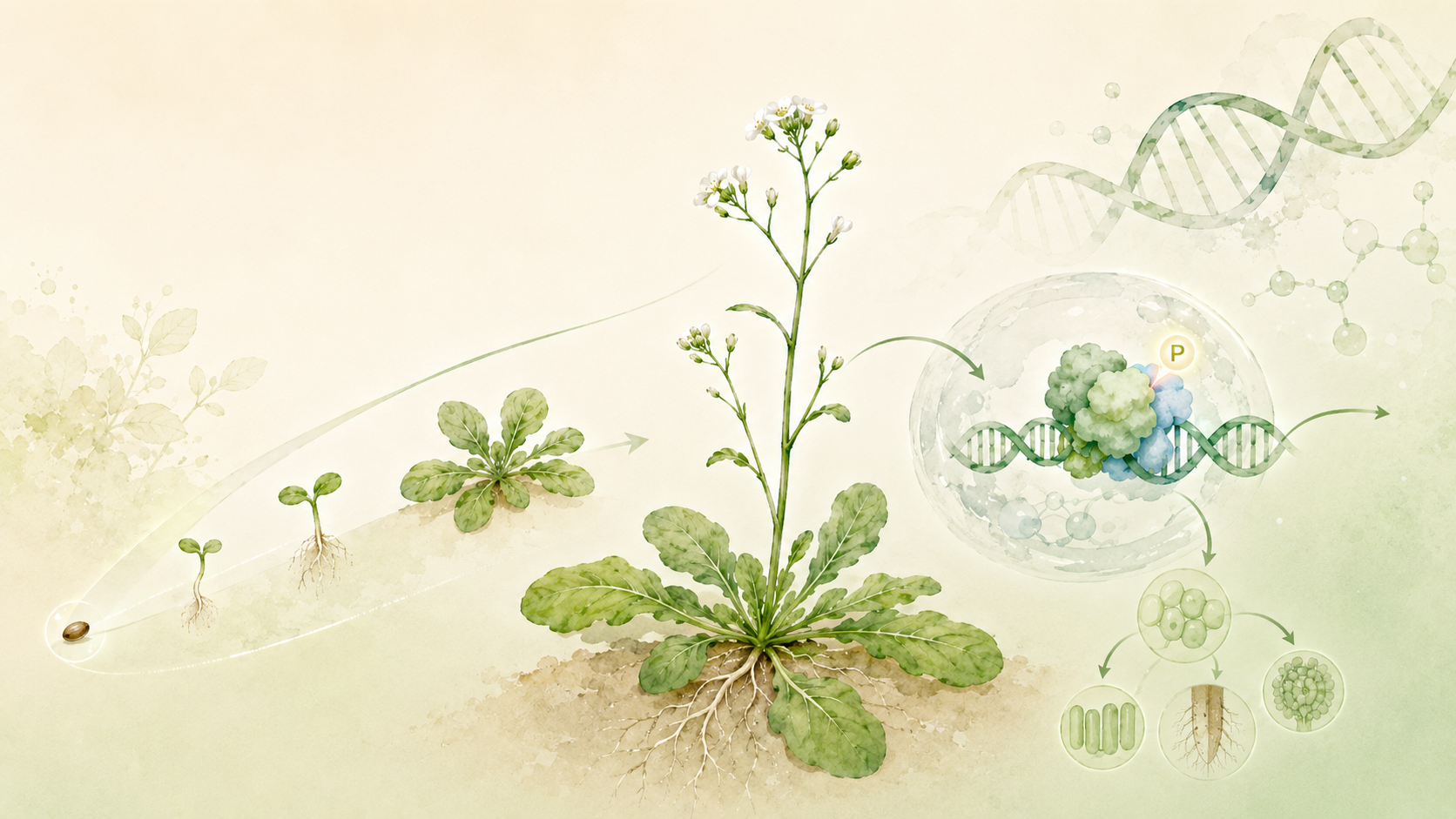
Indole-3-acetic acid (IAA) is a predominant form of active auxin in plants. In addition to de novo biosynthesis and release from its conjugate forms, IAA can be converted from its precursor indole-3-butyric acid (IBA). The IBA-derived IAA may help drive root hair elongation in Arabidopsis thaliana seedlings, but how the IBA-to-IAA conversion is regulated and affects IAA function requires further investigation. In this study, HOMEOBOX PROTEIN 24 (HB24), a transcription factor in the zinc finger-homeodomain family (ZF-HD family) of proteins, was identified. With loss of HB24 function, defective growth occurred in root hairs. INDOLE-3-BUTYRIC ACID RESPONSE 1 (IBR1), which encodes an enzyme involved in the IBA-to-IAA conversion, was identified as a direct target of HB24 for the control of root hair elongation. The exogenous IAA or auxin analogue 1-naphthalene acetic acid (NAA) both rescued the root hair growth phenotype of hb24 mutants, but IBA did not, suggesting a role for HB24 in the IBA-to-IAA conversion. Therefore, HB24 participates in root hair elongation by upregulating the expression of IBR1 and subsequently promoting the IBA-to-IAA conversion. Moreover, IAA also elevated the expression of HB24, suggesting a feedback loop is involved in IBA-to-IAA conversion-mediated root hair elongation.
Tian, L., Zhang, Y., Kang, E., Ma, H., Zhao, H., Yuan, M., Zhu, L., and Fu, Y.
Salt acclimation, which is induced by previous salt exposure, increases the resistance of plants to future exposure to salt stress. However, little is known about the underlying mechanism, particularly how plants store the “memory” of salt exposure. In this study, we established a system to study salt acclimation in Arabidopsis thaliana. Following treatment with a low concentration of salt, seedlings were allowed to recover to allow transitory salt responses to subside while maintaining the sustainable effects of salt acclimation. We performed transcriptome profiling analysis of these seedlings to identify genes related to salt acclimation memory. Notably, the expression of Basic-leucine zipper 17 (bZIP17) and Hmg-CoA reductase degradation 3A (HRD3A), which are important in the unfolded protein response (UPR) and endoplasmic reticulum-associated degradation (ERAD), respectively, increased following treatment with a low concentration of salt and remained at stably high levels after the stimulus was removed, a treatment which improved plant tolerance to future high-salinity challenge. Our findings suggest that the upregulated expression of important genes involved in the UPR and ERAD represents a “memory” of the history of salt exposure and enables more potent responses to future exposure to salt stress, providing new insights into the mechanisms underlying salt acclimation in plants.